The Reality of Hate Crime in Bristol Report 2026
What is this report about?
Lots of Disabled people tell stories of how they have been treated badly. This could be by people calling them names, physical attacks or treating them in a less fair way than non-Disabled people. The name for this is “Disability Hate Crime”.
The group who support Disabled people who are victims of Disability Hate Crime is called WECIL (West of England Centre for Inclusive Living). WECIL started doing this from April 2026.
It is very important that WECIL hear from Disabled people in Bristol about how Disability Hate Crime is happening to them and what can bedone to help them. This report does that.
How did Disabled People help with this report?
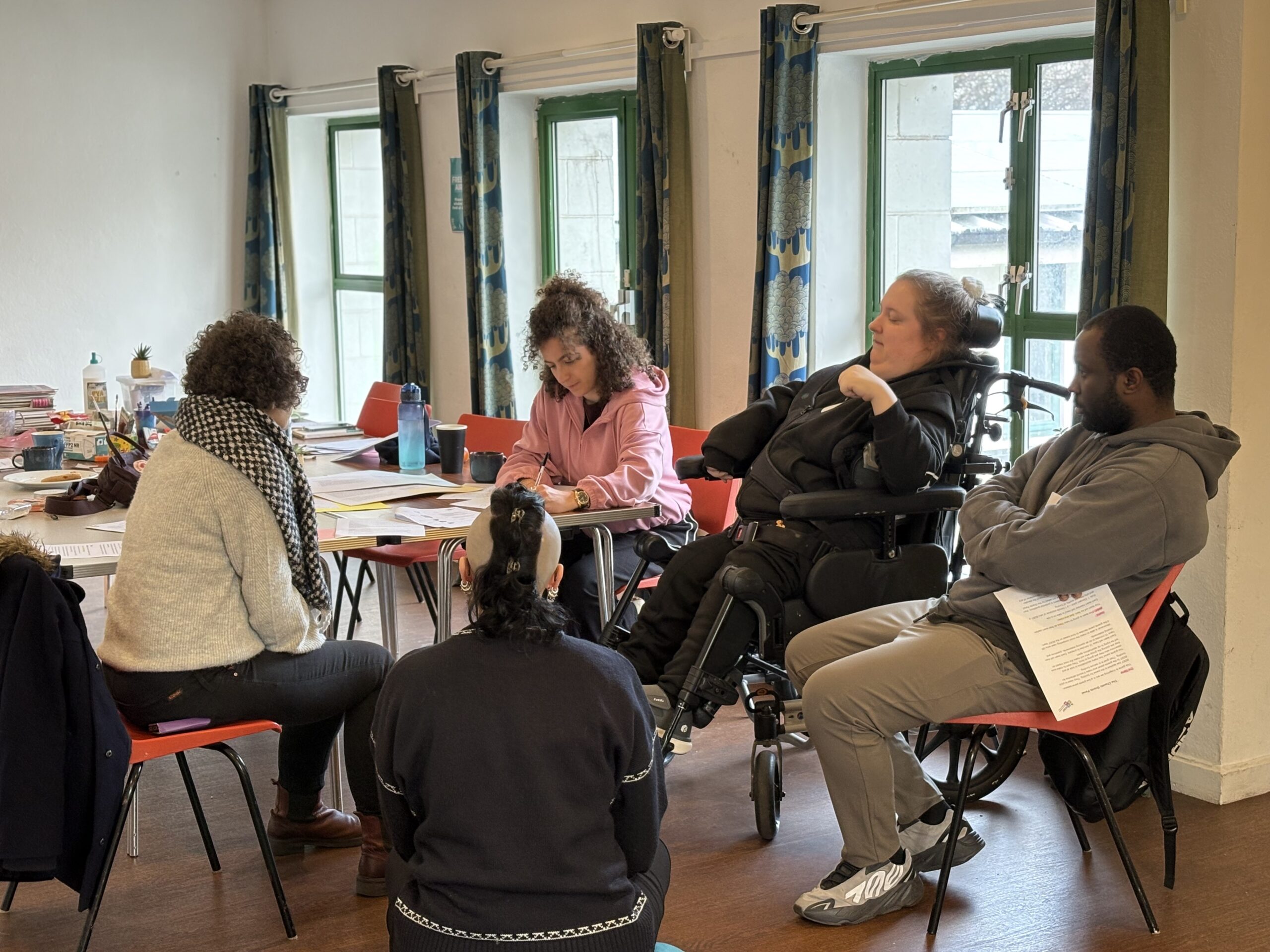
There were four meetings in February and March 2026. One meeting was held for each of the following groups:
Overall, 34 Disabled people came to the four meetings. Everyone who came was offered either cash, a voucher, charity donation or no payment for their time – the choice was made by the Disabled people themselves. All the different access needs people had were met.
Questions we asked
All the meetings asked the same questions. These were:
Who wrote the report?
BDEF (Bristol Disability Equality Forum) and Alun Davies (Disability Equality Consultant) were asked by SARI (Stand Against Racism and Inequality) to hold 4 engagement meetings.
BDEF took the lead on planning, facilitating and advertising the meetings with Alun Davies also facilitating the meetings and leading on writing the report with BDEF’s review.
BDEF regularly works on community engagement and bringing Disabled people into conversations in Bristol whilst Alun Davies consultation work focuses on advising on Disability Equality issues nationally.
How is the report set out?
The report has been set out under the themes that came out of the meetings.
In the first part of the report, there is a summary under each theme of what was said, and then a list of the changes people said they wanted to see happen.
The second part of the report is more detail of what people said set out under each theme.
Feedback themes
There were a number of themes that came out in the four conversations. Through what was discussed in these meetings, a lot of people mentioned very similar things happening.
Whilst the key ideas and changes will be looked at below, we thought that it was useful to understand which themes were highlighted in each session.
The issue that all groups talked as much about were the lack of awareness of Disability, especially hidden impairments, the Police’s role and responsibility and the need for training generally but particularly with people working on public transport.
LGBTQ+
The conversation that was held with LGBTQ+ Disabled people largely focused on barriers that they had experienced in workplaces. From hyper-local independent businesses to statutory bodies, there seemed to be common experiences shared between group members. These largely focused on discrimination in work due to their identity as a Disabled person, with some experiences shared also mentioning sexuality, gender and visa status.
There was a lack of understanding felt by attendees on workplaces knowing relevant legislation and providing a safe space to report discrimination or harassment.
Learning Difficulties
Secondly, in the session held with Disabled people with Learning Difficulties, the conversation largely focused on community safety, targeted harassment and statutory authorities’ response. Group members in this session spoke about harassment on public transport, on local spaces, in their housing and on the street.
They also highlighted a struggle with reporting incidents due to negative previous experiences such as being dismissed, not being told what action had been taken, not knowing who is the best to report the issue to.
Black, Brown and racially minoritised
Thirdly, the group for Black, Brown and racially minoritised Disabled people focused mainly on the experience of young racially minoritised Disabled people in school and the parents involved (especially when they are Disabled people themselves) but there was also discussion of public transport in the city being are a major area of racial and Disability harassment.
Reporting and understanding Disability Hate Crime
Key point raised
Suggested changes
Expanded feedback
Awareness of Disability and Disabled people
Key point raised
Suggested changes
Expanded feedback
Legislation, services and training
Key point raised
Current legislation does not stop Disability Discrimination and Hate Crime, and there are no clear penalties for Disability Hate Crimes and for Discrimination by employers or public bodies.
Suggested changes
Expanded feedback
When reports and recommendations, such as the ones in the Stephen Bubb report, are not actioned, confidence is lost by communities.
Education
Key points raised
Suggested changes
Expanded feedback
Travel on buses
Key points raised
Suggested changes
Expanded feedback
Police services
Key points raised
Suggested changes
Expanded feedback
Online and digital world
Key points raised
Suggested changes
Expanded feedback
Support networks and advocacy
Key points raised
Suggested changes
Expanded feedback
Employment
Key points raised
Suggested changes
Expanded feedback
Housing and community safety
Key points raised
Suggested changes
Housing providers should provide equipment to help make housesaccessible, provide anti-racist and Disability Equality training forstaff, and treat health and safety concerns seriously and quickly.
Expanded feedback
Overall, Disabled people from different locations, cultures, communities and identities – whilst differing on some things – had a lot of shared experiences which can be used to determine what is needed from the Disability Hate Crime service.
This is to make sure that those parts of the Disabled people community who previously ‘haven’t been in the room’ are actively included and the service works for.
What things should WECIL be doing when they take over the Disability Hate Crime service?
Find a way of telling a person who has made a Disability Hate Crime complaint what is happening.
Organise two public forums per year where Disabled people can directly question senior police leaders.
Develop a simple, visual reporting map, available in EasyRead, video, and audio formats.
Bring together all the organisations to write down a way they will all work together making it clear who does what and how they can work together easily and effectively.
Deliver or commission Disability-specific Hate Crime training across organisations such as housing, Social Care, transport and education.
Co-design with Disabled people a process for supporting victims which will include peer support.
Find funding to provide advocacy services for Disabled parents when they have issues with their child’s school.
Develop training courses co-produced with Black, Brown and Racially Minoritised Disabled people.
When giving advice to organisations on how to improve, base this on lived experience.
Work with organisations to make sure there is one way for people to work with all organisations and that all organisations are working better together.
Use community reporting to check that organisations are doing what they say they will and that they are getting better at providing services.
Develop advice and guidance for schools about how to work with Black, Brown and racially minoritised and/or Disabled parents better.
Report authors
BDEF
BDEF (Bristol Disability Equality Forum) is a Disabled-people led organisation, developing and advocating for Disabled people communities in Bristol.

SARI
SARI (Stand Against Racism and Inequality) a charitable organisation that’s here to support victims of hate.
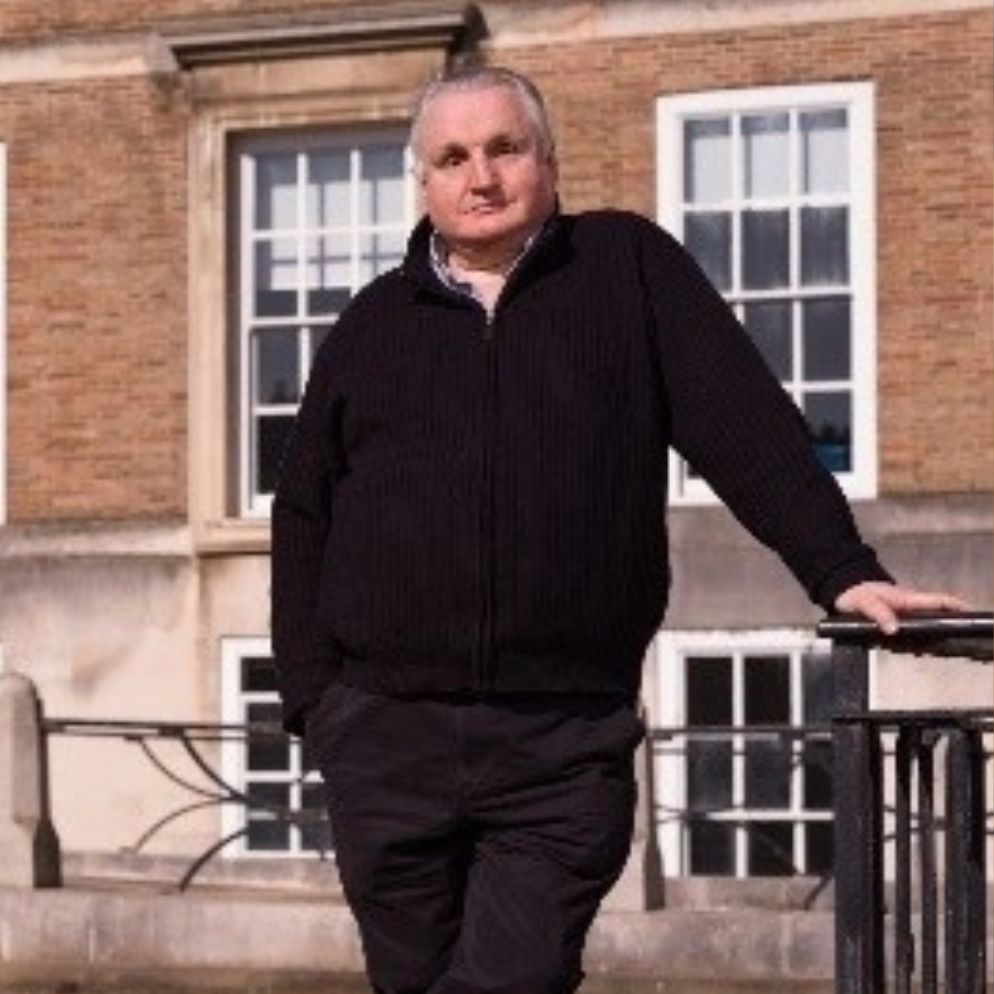
Alun Davies
Alun Davies is a Disability Equality Consultant working across the UK.