The Timms Review steering group launched a call for evidence in March 2026. Both in collaboration with Bristol Women’s Voice (BWV) and Carers Support Bristol and South Gloucestershire, and as an individual organisation also, BDEF (Bristol Disability Equality Forum) submitted responses.
The context
The Timms Review was launched to investigate the current state of Personal Independence Payment (PIP). As part of the Review, its steering group asked for evidence to gain insight from individuals and organisations with lived or learned experience.
BDEF's response
Whilst we have reservations around the justification for such a review, we welcome an opportunity to communicate Disabled people’s voices to the Timms Review. Our response represents voices of Disabled community members through a BDEF (Bristol Disability Equality Forum) held engagement event.
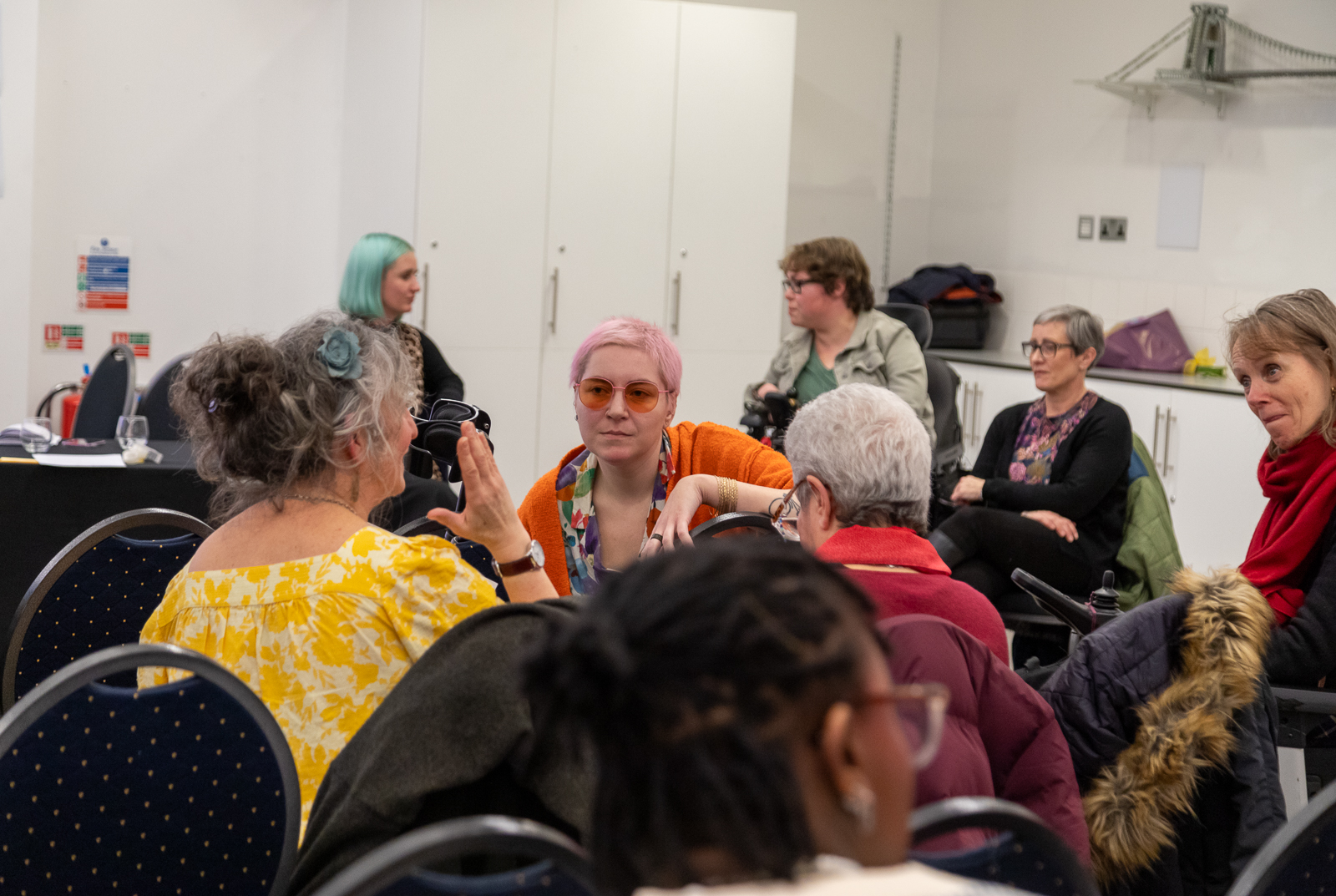
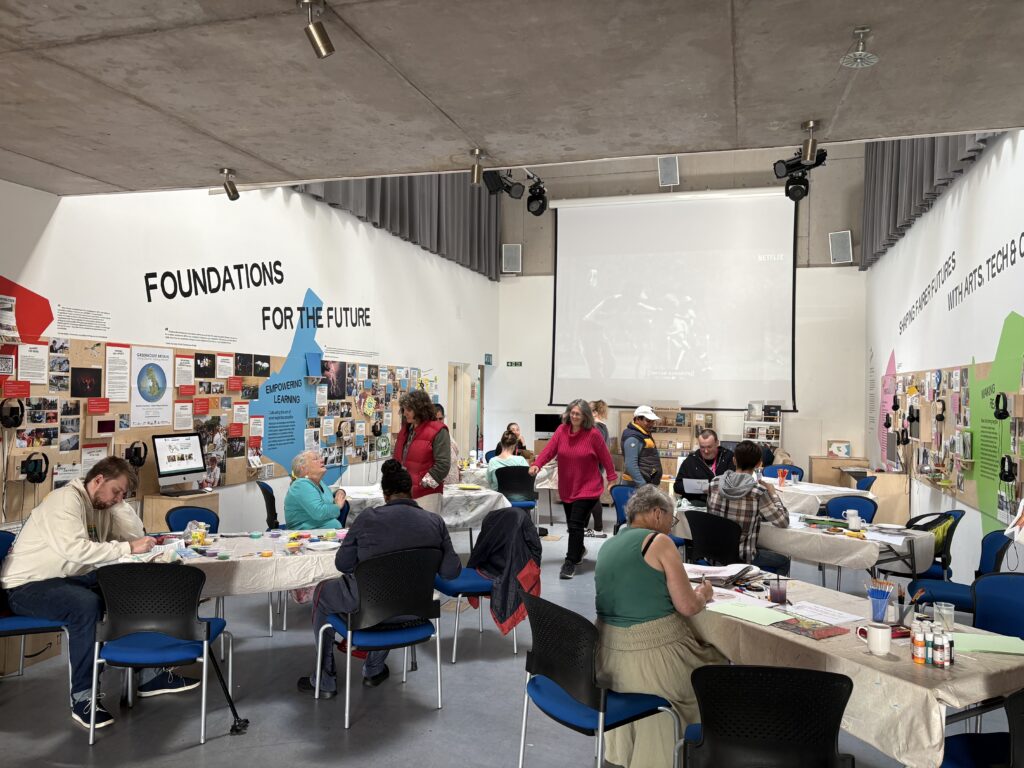
We hosted an engagement session in May 2026 to collect evidence of lived experience of PIP. Within the room we had Disabled people (including women, men and gender non-conforming people with a range of impairments and conditions) and representatives and staff from BDEF.
Read the group discussions in our full response.
Our collaborative response
In addition, we collaborated with Bristol Women’s Voice (BWV) and Carers Support Bristol and South Gloucestershire to provide further evidence.
We hosted an engagement session in May 2026 to collect evidence of lived experience of PIP. Within the room we had:
- Disabled women and non-binary people with a range of physical, sensory, mental health and neurodivergent impairments
- Unpaid carers, including carers who are themselves Disabled
- Parent carers of Disabled young people and young adults
- Representatives and staff from BWV, BDEF and Carers Support
All the PIP claimants present in this session agreed they were better off with PIP than without it. Read the group discussions in the full collaborative response.
Anything that is designed for Disabled people needs to be led by Disabled people as we know our experience best.
Penalising individuals does not get us any closer to solving an issue. Instead, the focus should be on tackling the barriers Disabled people face to being heard, valued and connected, with the independence, choice and control to shape our lives and lead change in our communities.
We will be watching very closely as to what decisions are made in response to this review and the impact this will have on our community.