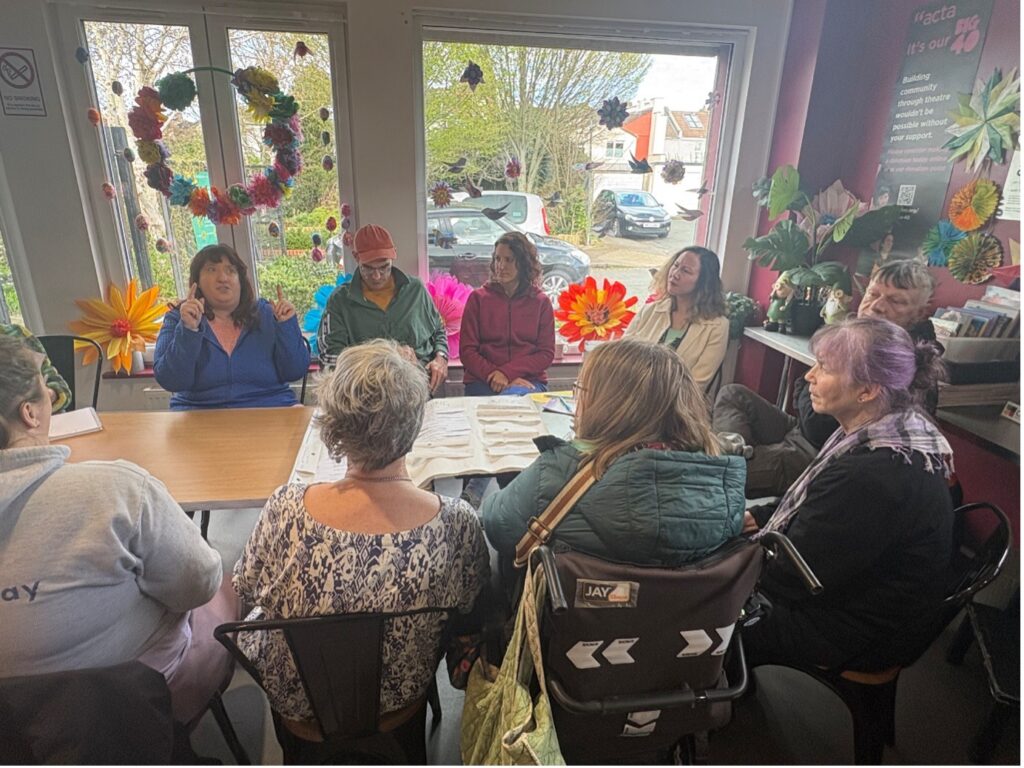
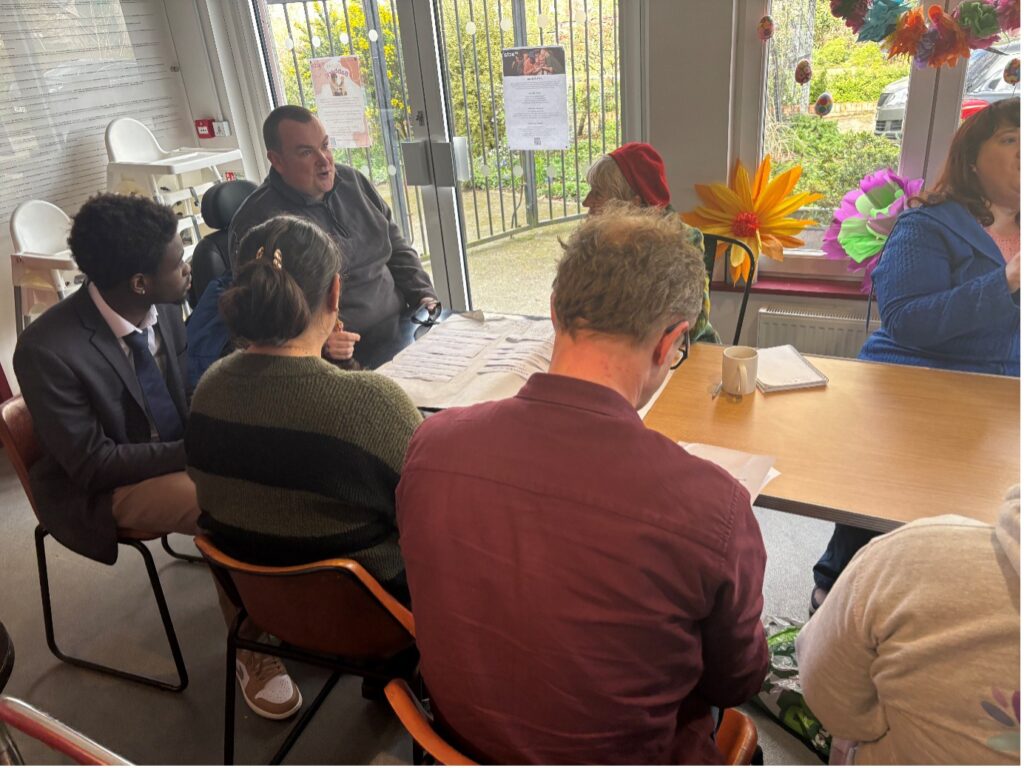
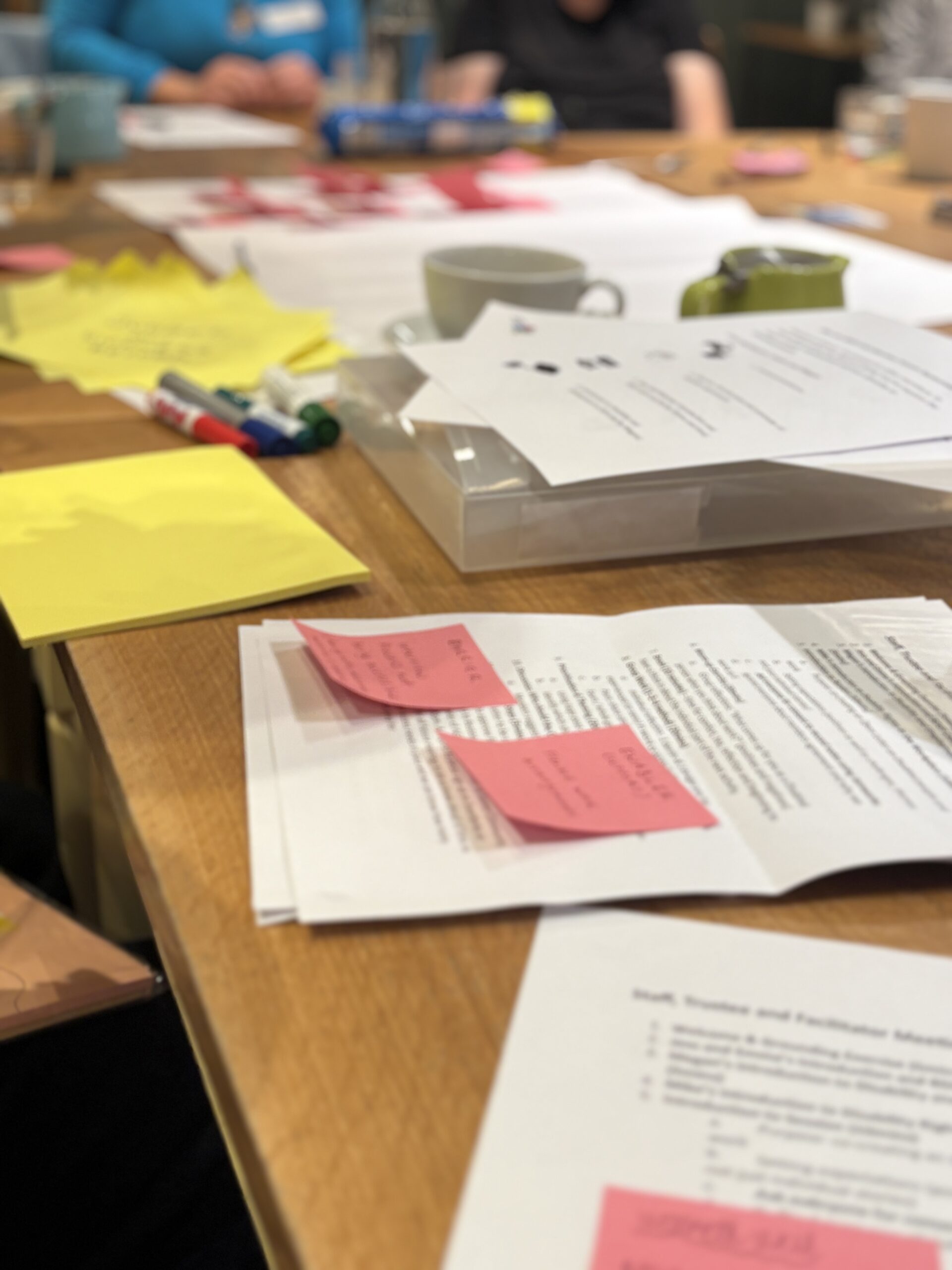
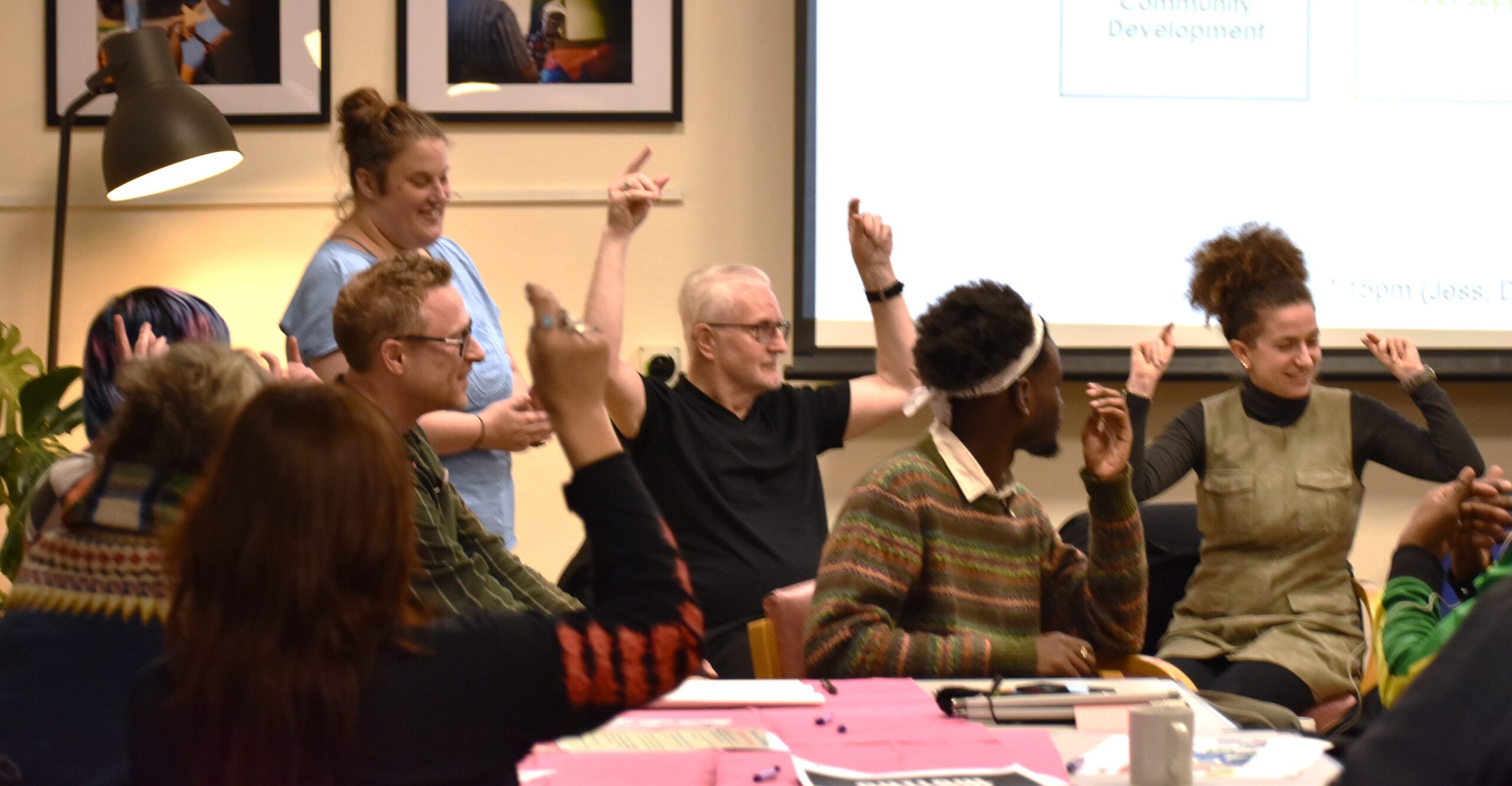
Purpose of the session
The forum focused on:
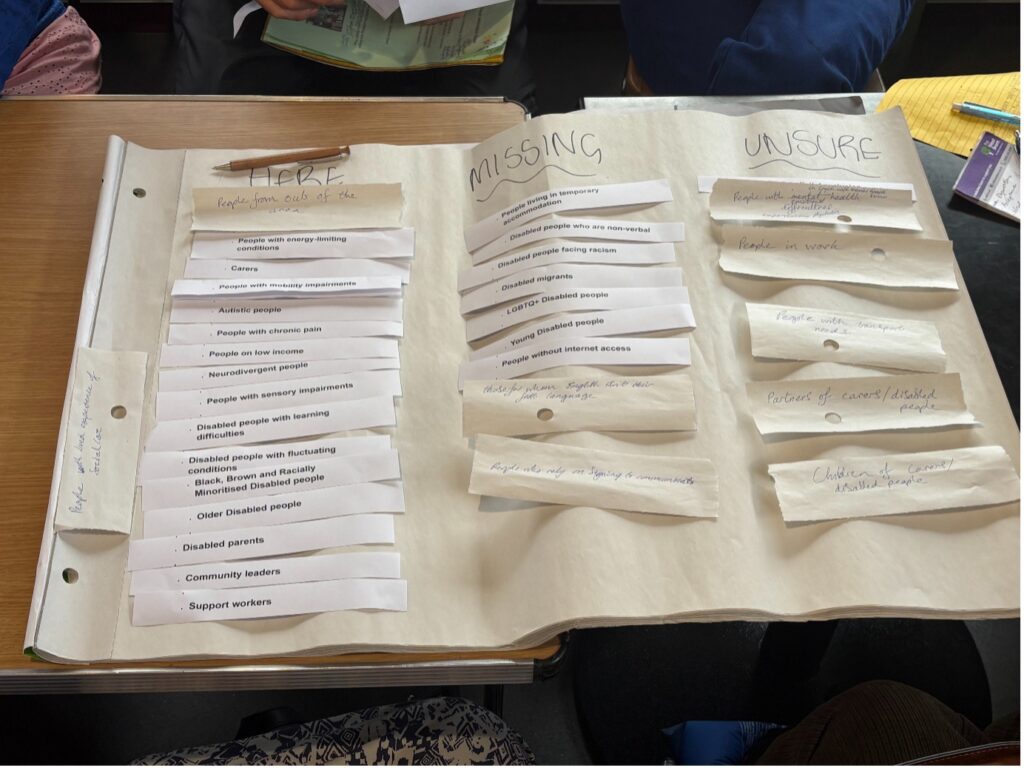
- Who is currently included in the Disabled People’s movement in Bristol
- Who is missing and why
- How BDEF can better reach underrepresented Disabled people
- How BDEF measures inclusion and impact
Summary of BDEF updates
South Bristol Liveable Neighbourhoods (SBLN)
- BDEF was asked (at short notice) to support Disabled people’s engagement in the consultation.
- Accessible formats were not initially provided by Bristol City Council.
- BDEF extended timelines and gathered feedback from 34 Disabled residents and allies.
Strong evidence showed:
- Disabled people support greener, safer neighbourhoods in principle
- Changes must not reduce mobility, access, or independence
- Public transport must be fixed before restricting car access
Key concerns raised by members
- Consultation timelines were inaccessible.
- People felt pressured to respond without understanding proposals.
- Lived experience evidence is often ignored until challenged.
Outcomes
- A detailed report (c. 36 pages) submitted to the Bristol City Council.
- Recommendations made for future consultations.
- The South Bristol Liveable Neighbourhoods (SBLN) project is now published on our website.
Representation, Media and Disability Hate
- Discussion of the film I Swear and the BAFTAs Tourette’s incident.
- Strong concern about Disableist and discriminatory public narratives and failure of duty of care by institutions
Outcomes
BDEF is exploring:
- A screening and panel discussion (potentially with Watershed)
- A broader conversation about representation and accountability
Recruitment and Co-Production Work
- Recruitment underway for a Disabled co-production role funded by Adult Social Care.
- Role sits within BDEF, not the Bristol City Council, to ensure independence.
- Strong interest received despite the specialist nature of the post.
New Website (In Development)
Planned features include:
- Core accessibility built in from the start
- Language translation
- Clear navigation and reduced information overload
- Practical resource hub (transport, blue badge parking, taxis, benefits advice)
Core Discussion Theme
“Who Is Not in the Room – and Why?”
Groups identified as underrepresented are people:
- In work (unable to attend daytime meetings)
- With lived experience of social care
- With mental health needs or fluctuating capacity
- With transport barriers
- Who are BSL users, Deaf people, Makaton users
- Whose first language is not English
- Who are migrants and people facing racism
- Embedded in local or cultural “bubbles”
- Who are older and may not self-identify as Disabled
- Who are carers, partners and children of carers
What Helps People Feel Able to Take Part
Participants highlighted that inclusion requires more than invitations:
- Warm, active welcomes (not “cliquey” spaces)
- No tokenism
- Support to build confidence and voice
- Safe spaces and bridges into wider community spaces
- Meetings that don’t rely solely on verbal discussion
- Creative, informal and alternative ways to contribute
- Clear messaging that Disabled people belong and are wanted
Practical Ideas for Improving Reach
- Clear, visible statements of inclusion on posters and publicity
- Outreach via trusted third sector organisations
- Personal invitations via peers or support workers
- Better use of local media and good news stories
- Creative engagement (art, poetry, storytelling)
- Hybrid options (online and inperson)
- Supporting people to attend with someone they trust
- Going into communities rather than expecting people to travel
What our members said
Suggestions from members included:
- Access must be intentional, funded and timely
- Inclusion is about power, not presence
- Tokenism causes real harm
- Trust grows through relationships, not systems
- Disabled people are diverse – one model does not fit all
- Creative and relational approaches matter
- Accountability from institutions is essential