Carina Andrews (BDEF member, event attendee and Co-Creator of Invisible Army) speaks about her attendance at the Launch and Roundtable of ‘The Reality of Disability Hate Crime in Bristol 2026 Report’ by BDEF and Stand Against Racism and Inequality (SARI).
Launch and roundtable
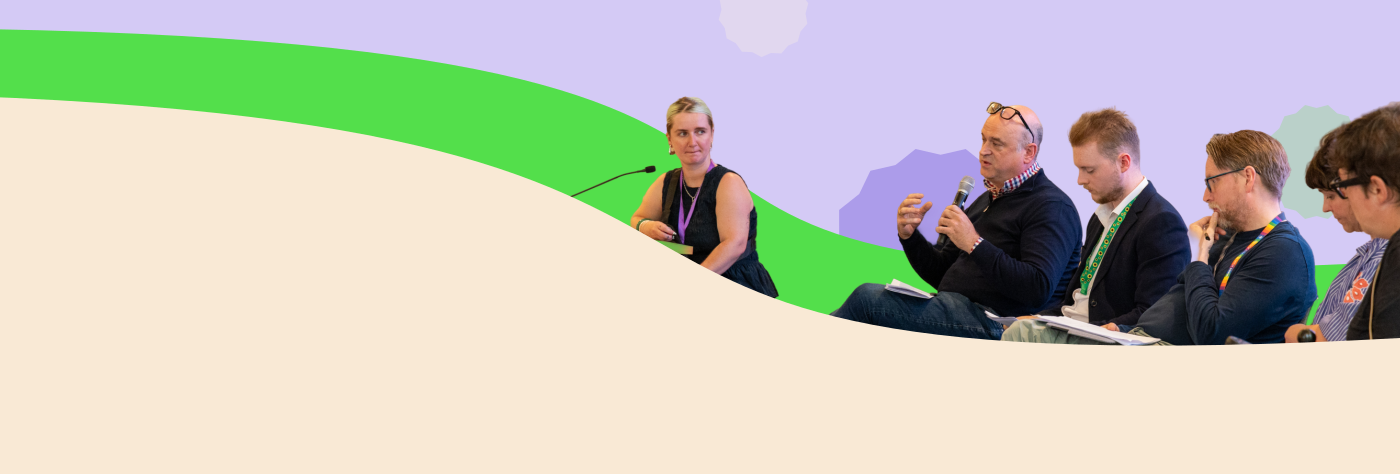
“Slightly bigger turn out than we were expecting. Some more chairs are coming in,” Megan Belcher addresses the room, here at Bristol City Hall.
Megan is the Director at BDEF (Bristol Disability Equality Forum) who led consultations in partnership with Alun Davies (Disability Equality Consultant) leading to the writing of the report being launched today by Megan Belcher and Alex Raikes who is Chief Executive at SARI.
“We know we were not doing enough for disability Hate Crime and we know it is not being reported enough, so we collaborated with BDEF to run four engagement sessions with; Black, brown and racially minoritised Disabled people, LGBTQIA+ Disabled people, Disabled people with Learning Difficulties and all Disabled people; looking at the reality of Disabled Hate Crime in Bristol. Concluding with a report full of real voices,” Alex introduces.
BDEF (Bristol Disability Equality Forum) is a Disabled people-led organisation which builds community. BDEF creates the space for Disabled people in Bristol to speak for themselves, to take action on the things that are important to them, and to get involved in decision making that impacts on our everyday lives.
SARI (Stand Against Racism and Inequality) provides free and confidential support to anyone who is targeted by hate for their race, faith, Disability, sexual orientation, transgender identity, age, gender, or sex.
Hate Crimes are acts of hostility conducted against someone because they are in some way different where a crime has also been committed. “I feel like I have to tell my whole story and all my medical information to prove I am a Disabled person even after showing a Disabled Pass,” shared a Disabled person as part of their lived experience of Discrimination and Hate Crime. They continue, “I could probably talk all day about the discrimination and Hate Crime I have faced related to being a Disabled person.”
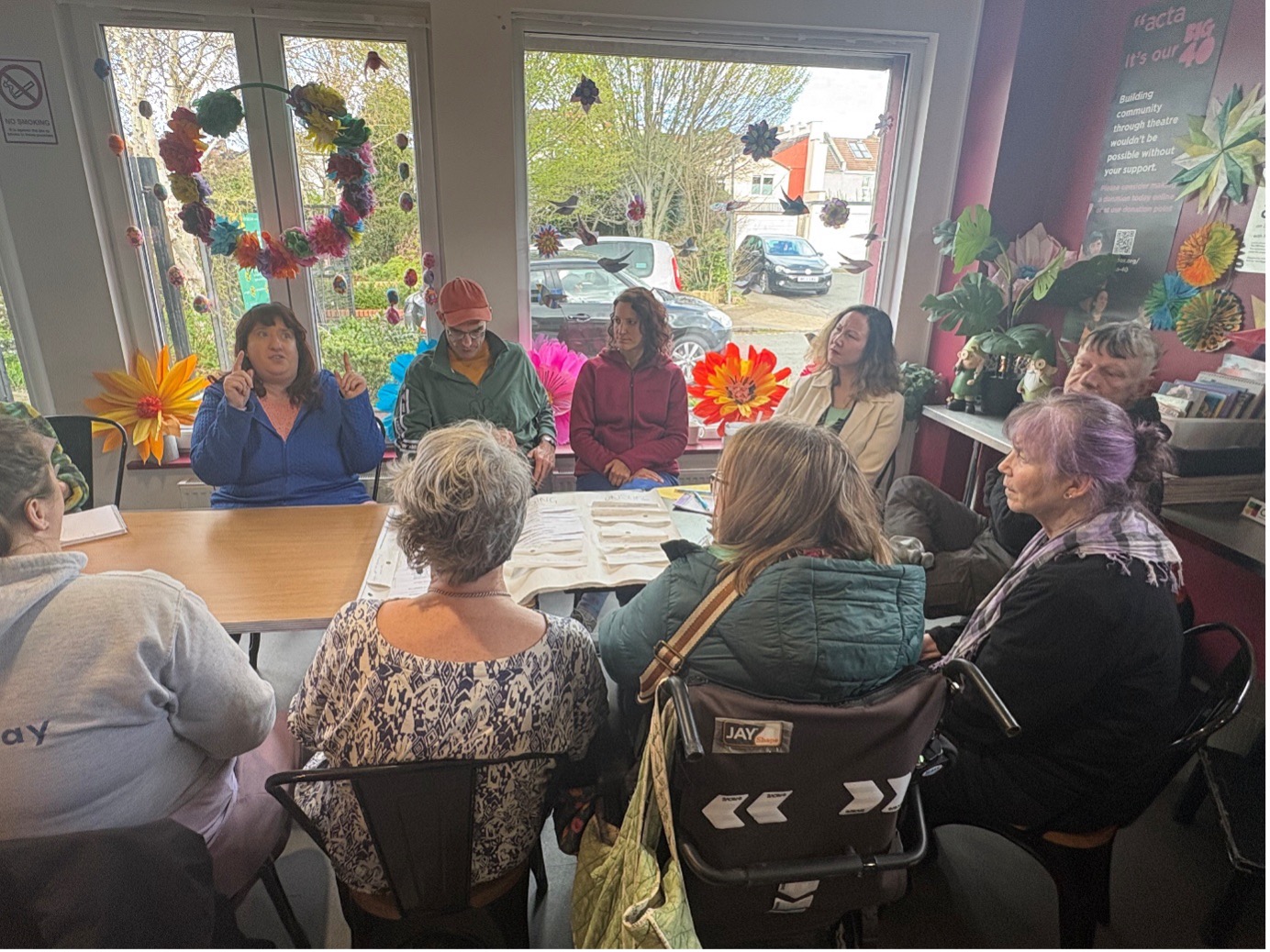
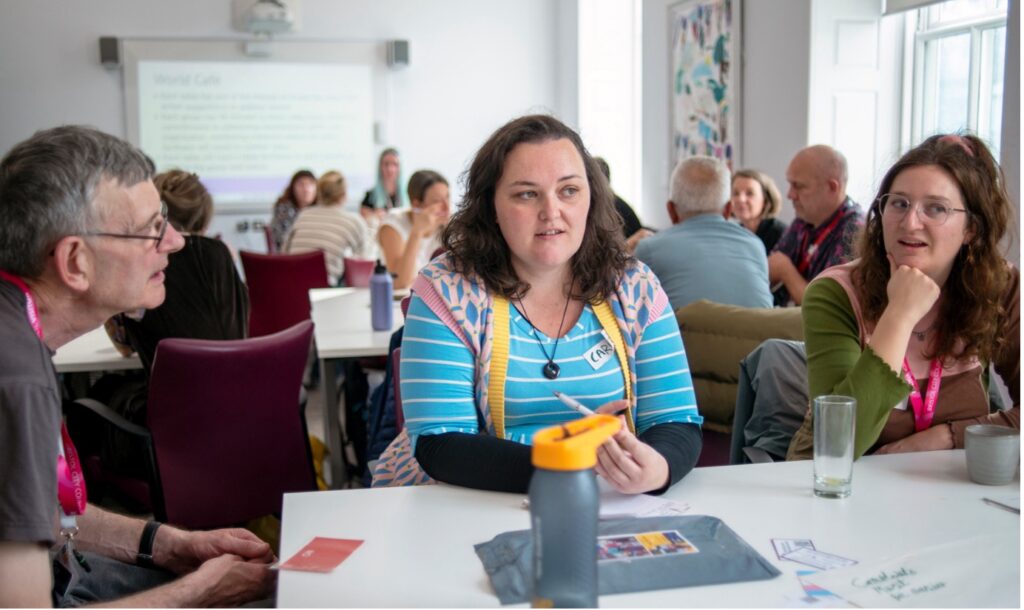
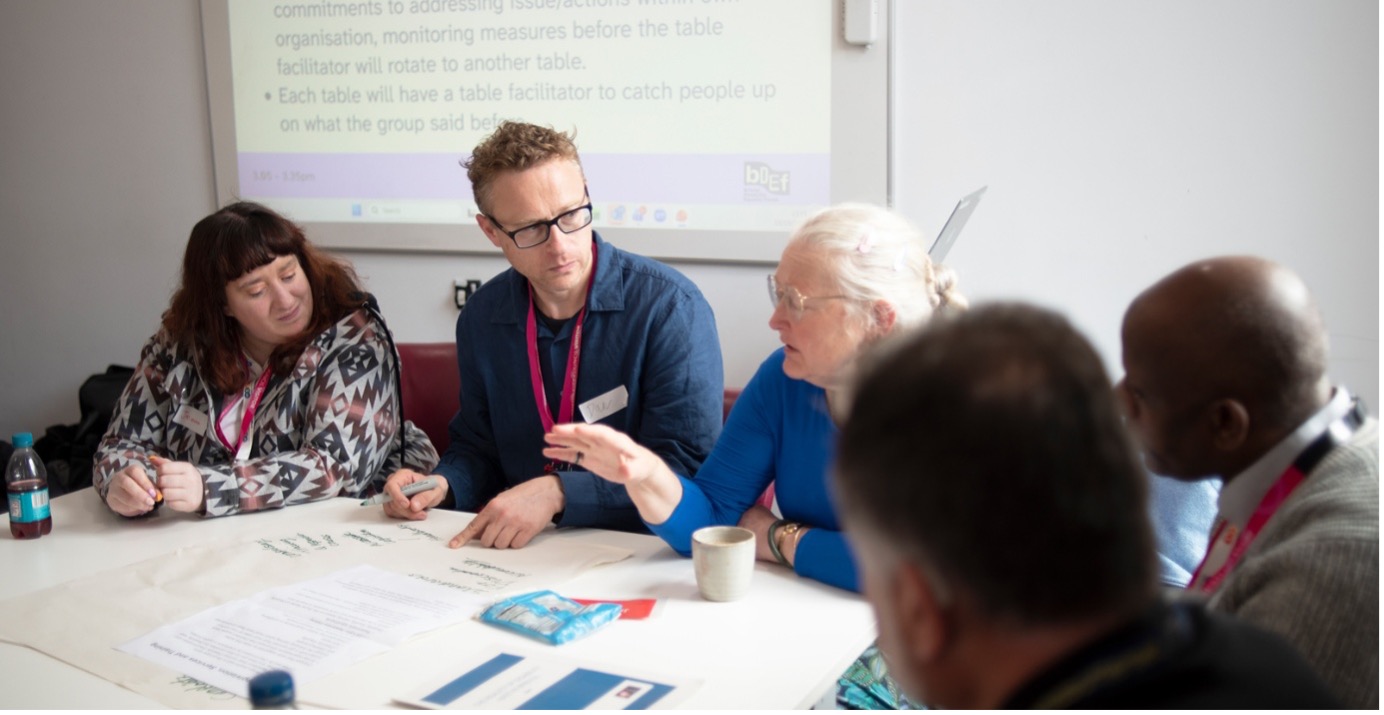
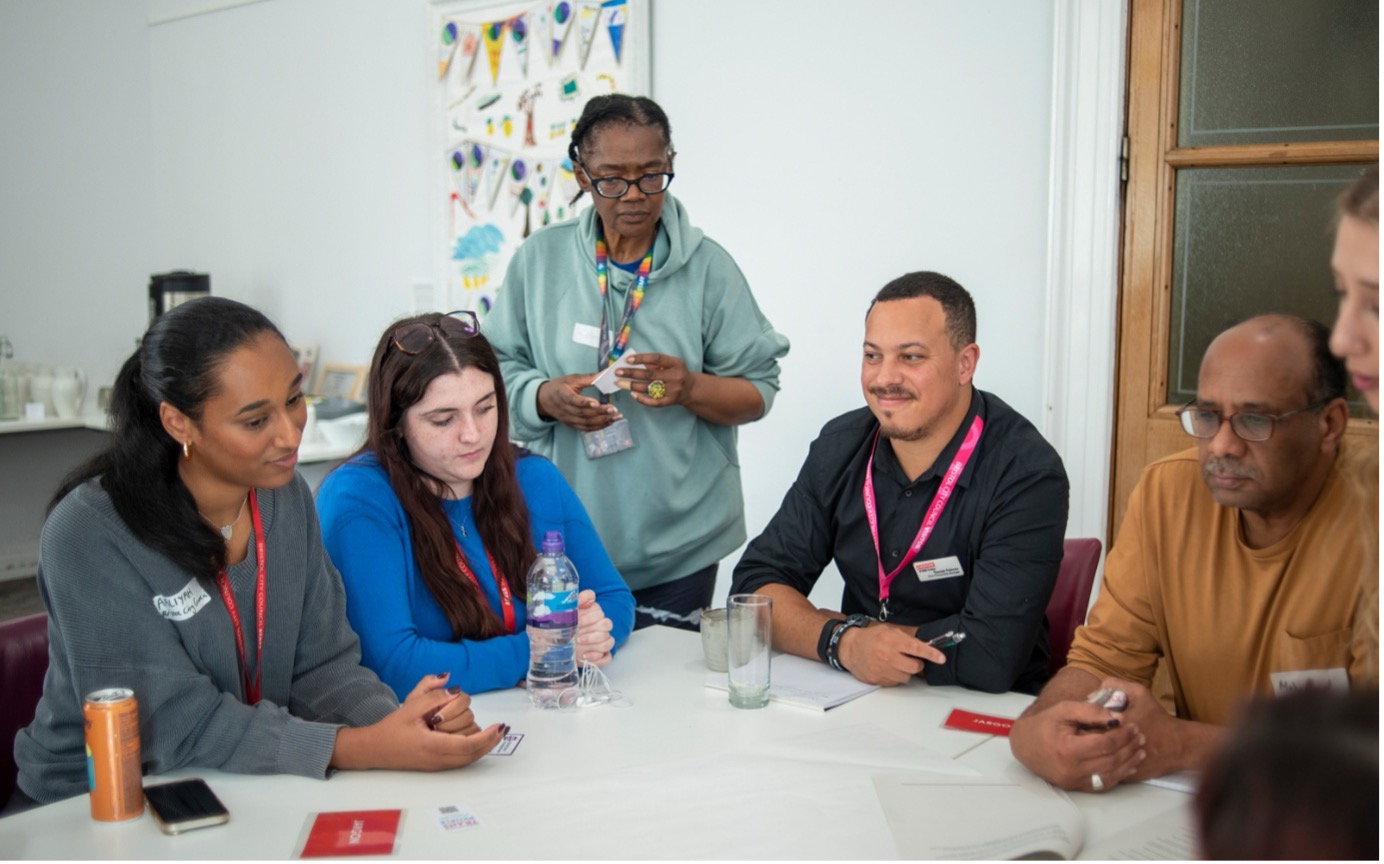
At each table sat Disabled community members, people who work with Disabled people, community partners, stakeholders and a facilitator whose role was to take us through some the key areas written in the report:
A summary was given of Disabled people's experiences in the report, separated out by theme, and the community-designed changes that would improve the situation. “Disabled people across the groups shared with us they are feeling alone, unsupported and emotionally exhausted, with a feeling of unsafety around Bristol and a shared feeling that non-Disabled people are less tolerant than just a few years ago,” Megan shared.
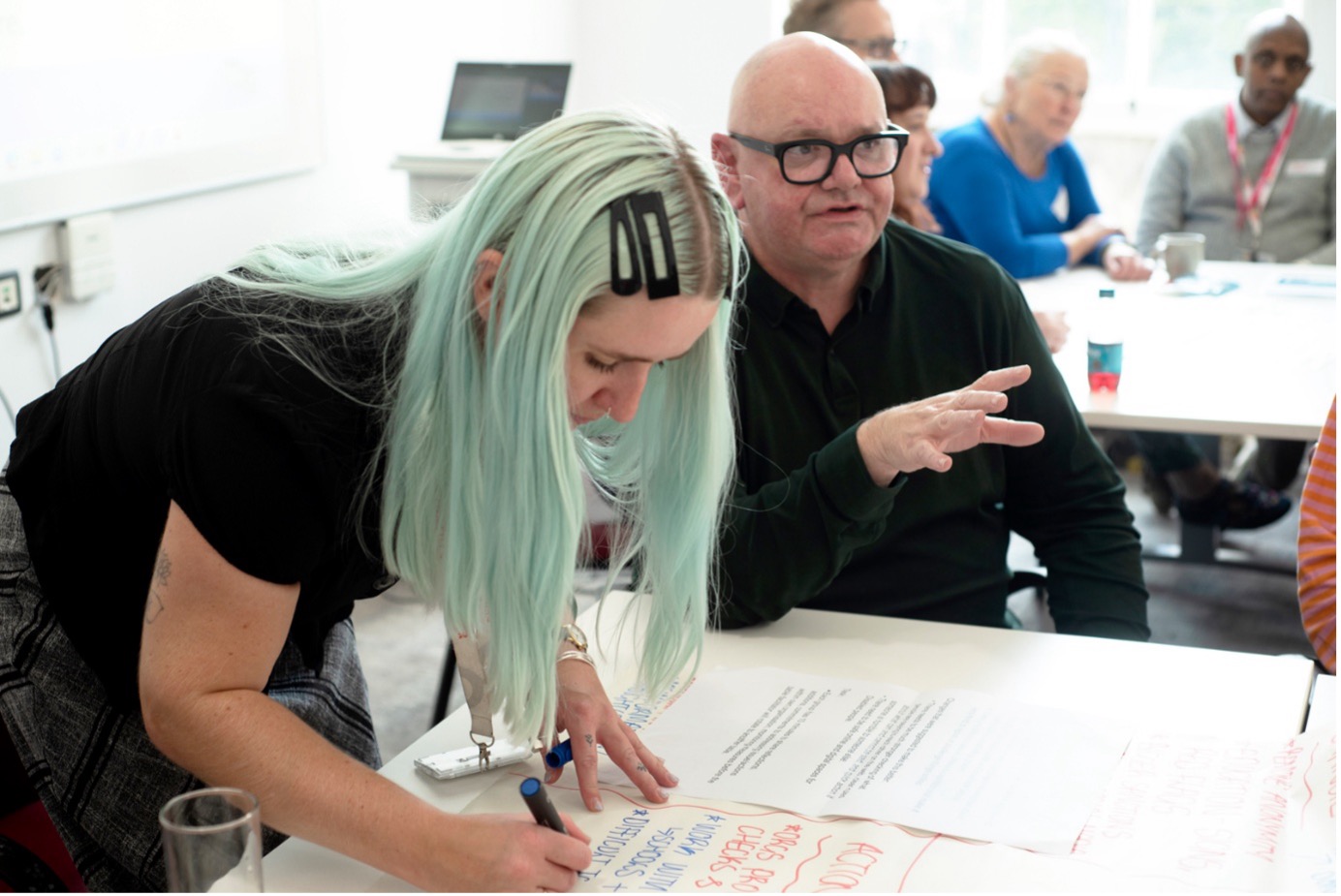
Time was given for those around the table to reflect on our personal and professional stories in connection with the topic and then to together add to the community-designed solutions.
Key points raised
Here are some key points that were raised on each theme collected from all the tables:
Legislation, services and training
Awareness of Disability and Disabled people
Reporting and understanding Disability hate crime
Employment
All tables shared more examples of Hate Crimes they had faced.
“My employer told me ‘You’re a health risk’ I was then regularly moved around departments, no one wanted to have me in their team.”
“We do not have minimum standards or a charter,” stated Alex from SARI. “It’s the law,” an attendee replied.
“The stories just from today shows as a society we are not even meeting that,” Alex replies. A nervous in agreement giggle can be heard among others in the room.
Reporting and understanding Disability hate crime
“So much great stuff. All these points will be added to the report and sent to you all, in the next couple of weeks,” Megan thanks everyone for their contributions.
Following on from BDEF and SARI’s engagement, WECIL (West of England Centre for Inclusive Living) will be the organisation to support with Disability Hate Crime going forward. “Please contact us in any way that is best for you, we welcome you to also just drop into our office. Reporting helps us gain a picture of what is happening for Disabled people and allows us to make changes,” Kristy-Leigh from WECIL’s closing statement”.
A final comment from Megan at BDEF: “We hope that this work carries on and informs the work that is being done around Disability Hate Crime and the wider Bristol Hate Crime and Discrimination Service. We hope that this report influences change and the situation changes and improves for Disabled people in the context of Hate Crime and Discrimination within Bristol as a result of this initial work being done."
Read the report
Please do read the full report.
We would massively encourage everyone to read this report and think about where you might have power to influence change that might have a huge impact on the Bristol Disabled People Community. Please share it far and wide.
Organisations and resources
WECIL now leads on Disability Hate Crime and Discrimination in Bristol.
You can find general Hate Crime and Discrimination work being done across Bristol, how to make a referral or get in contact with one of the partners from The Bristol Hate Crime and Discrimination Service.
We, BDEF (Bristol Disability Equality Forum) run engagement and consultation sessions with Bristol communities.
Photos taken by Tina Gue from Invisible army.