The 2026 survey provides a broadly positive picture of people’s experiences of BDEF, alongside useful areas for development.
Feedback particularly highlights the value of connection, peer support, accessible information, opportunities to have a voice and BDEF’s commitment to the Social Model of Disability.
What people told us
Overall experience of BDEF
Most respondents who expressed a clear view were satisfied or very satisfied with BDEF. Responses also showed strong agreement that BDEF:
- makes people feel welcome;
- listens to Disabled people;
- represents Disabled people’s views;
- helps people feel their voice matters;
- promotes the Social Model of Disability; and
- is inclusive of different lived experiences and identities.
There were also some neutral and dissatisfied responses. These highlight the importance of continuing to reach people who are less involved with BDEF and ensuring that different Disabled communities can see themselves and their priorities reflected in our work.
The difference BDEF makes
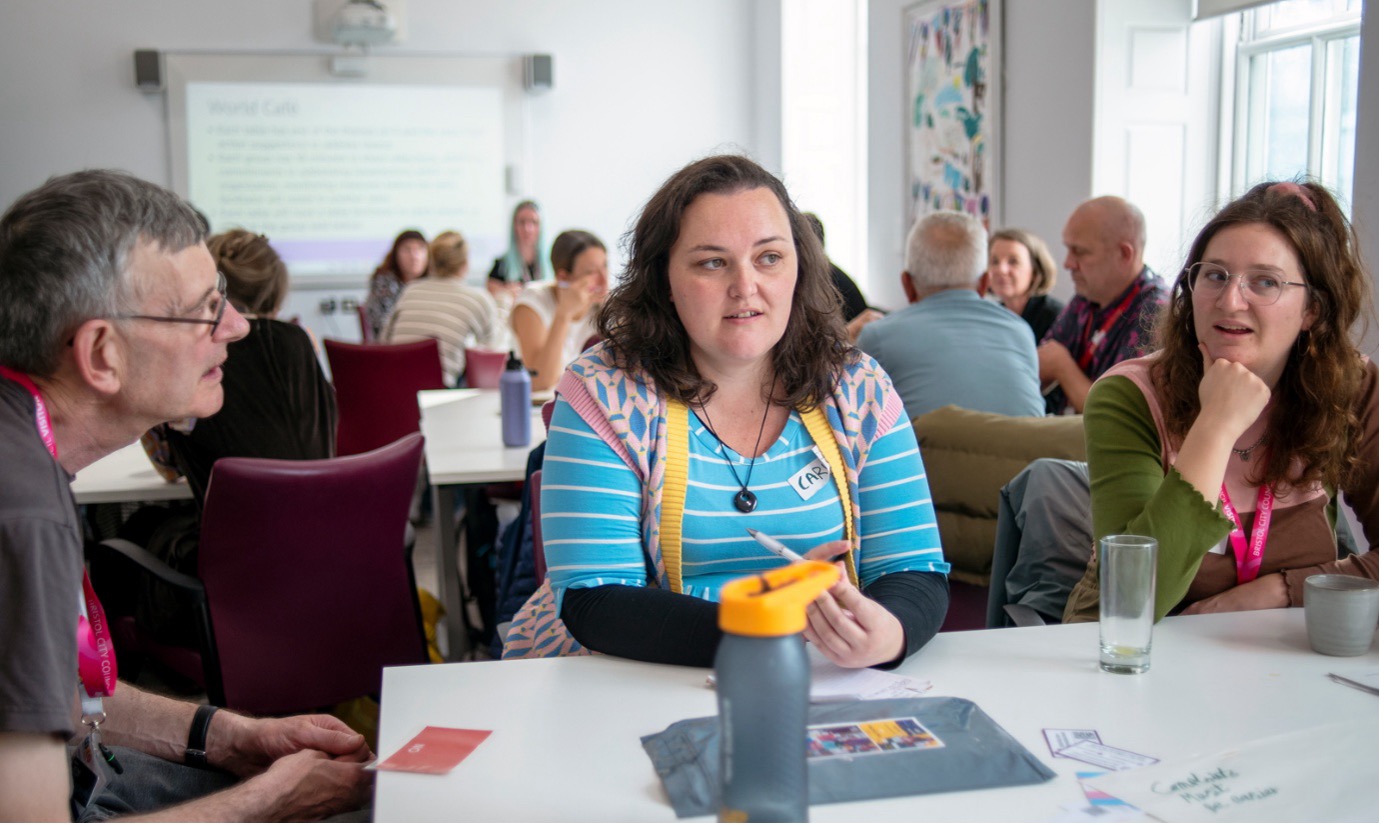
A recurring theme was connection and reducing isolation. People described BDEF activities as helping them meet other Disabled people, build confidence, access information and support, develop skills and have their views heard.
Respondents gave examples including finding community following bereavement, connecting with the Deaf community, meeting people through peer support and feeling listened to and able to speak without discrimination.
One respondent described BDEF as providing “a voice for Disabled people in important forums.”
Activities and future opportunities
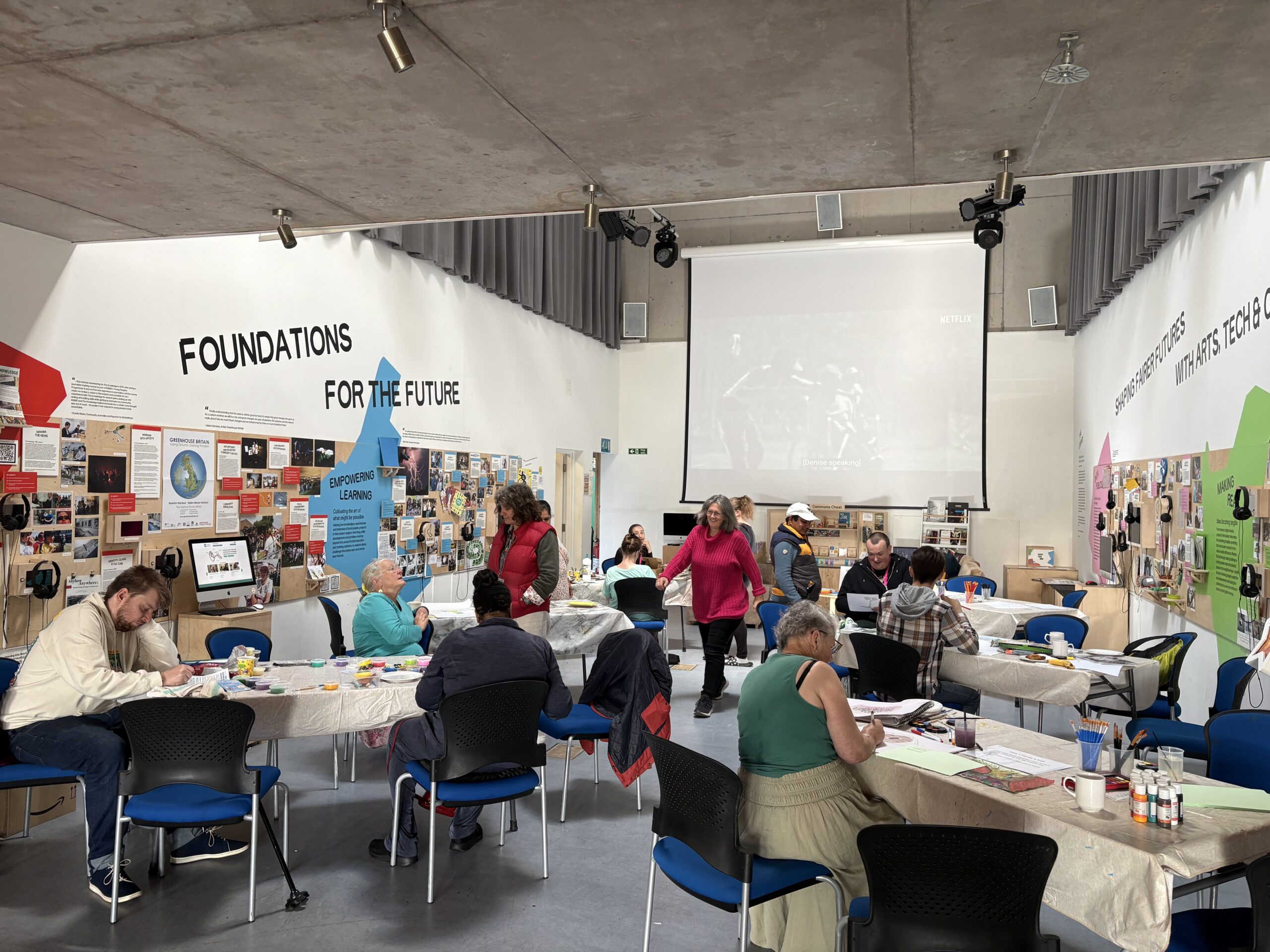
People reported taking part in a wide variety of activities, including peer support, community groups, members' meetings, Speak Up opportunities, workshops and training, community events and Disability Pride Bristol 2026.
Ideas for future development included:
- more social opportunities and meet-ups;
- opportunities for Disabled parents;
- more activities for Disabled LGBTQ+ people;
- trips and activities outside Bristol;
- volunteer drop-ins;
- events with councillors and MPs;
- co-design and co-production training; and
- more activity at times accessible to people who work during the week.
Accessibility and inclusion
Communications were generally described as accessible or very accessible, particularly email and newsletters.
Suggestions for improvement included checking links carefully, improving telephone contact, providing BSL translation and considering the accessibility of bright colours for people affected by migraines.
Most people who had participated in BDEF activities reported feelingalways or usually safe and respected.
Priorities for Bristol
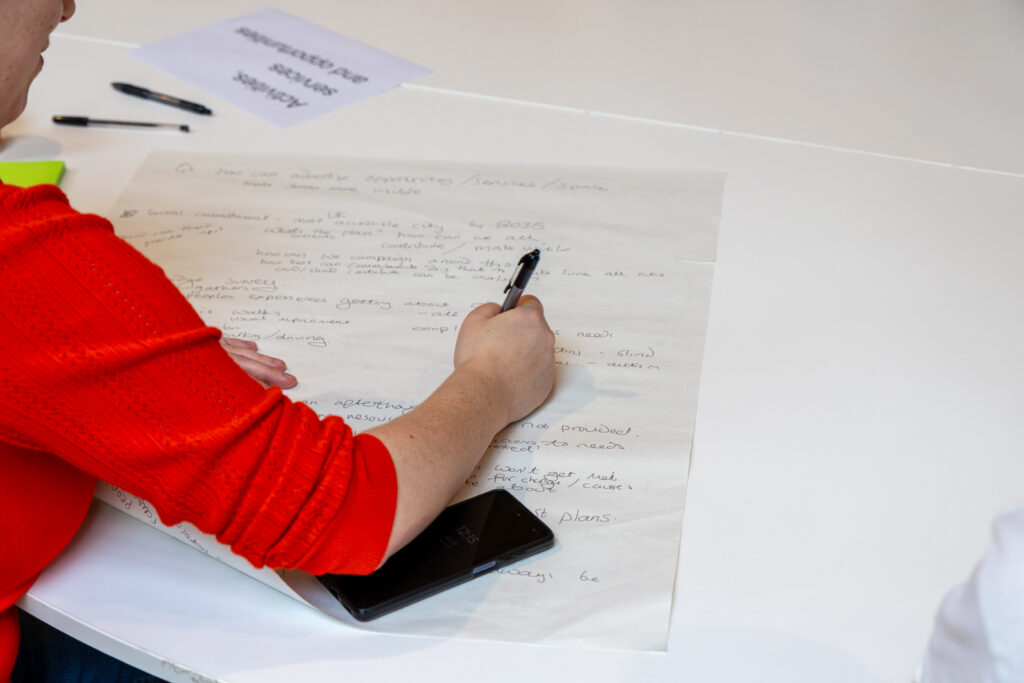
Responses point to several recurring priorities for BDEF’s future work, particularly:
- Adult Social Care
- Accessibility of public spaces
- Representation and voice
- Attitudes and inclusion
- Health services
Other priorities included housing, transport, education, employment, energy and the cost of living, and challenging anti-rights, hate and discriminatory rhetoric.
Looking ahead
The survey suggests that BDEF’s greatest strengths are its Disabled people-led approach, welcoming spaces, community connection and ability to create opportunities for Disabled people’s voices to be heard.
At the same time, the feedback gives us a clear challenge to broaden participation and visibility, strengthen inclusion of different communities and access needs, and create more varied ways for people to get involved.
Overall, respondents largely indicated that they would recommend BDEF to other Disabled people and allies, with comments describing its work as important, welcoming and valuable to Bristol’s Disabled people community.
Thank you to everyone who took the time to respond. Your feedback helps us understand what is working well, where we can improve, and how we can best support Disabled people across Bristol. The information you share will help shape our future priorities, projects, events, campaigns, and services.